When I decided to study abroad in Lille, France, I had a fairly straightforward plan: spend a semester at Sciences Po Lille studying European politics, French government and international diplomacy. As a senior studying International Relations, European Studies and Political Economics in James Madison College (JMC), I was excited to take the theories and institutions I had spent years studying and see how they worked in practice.
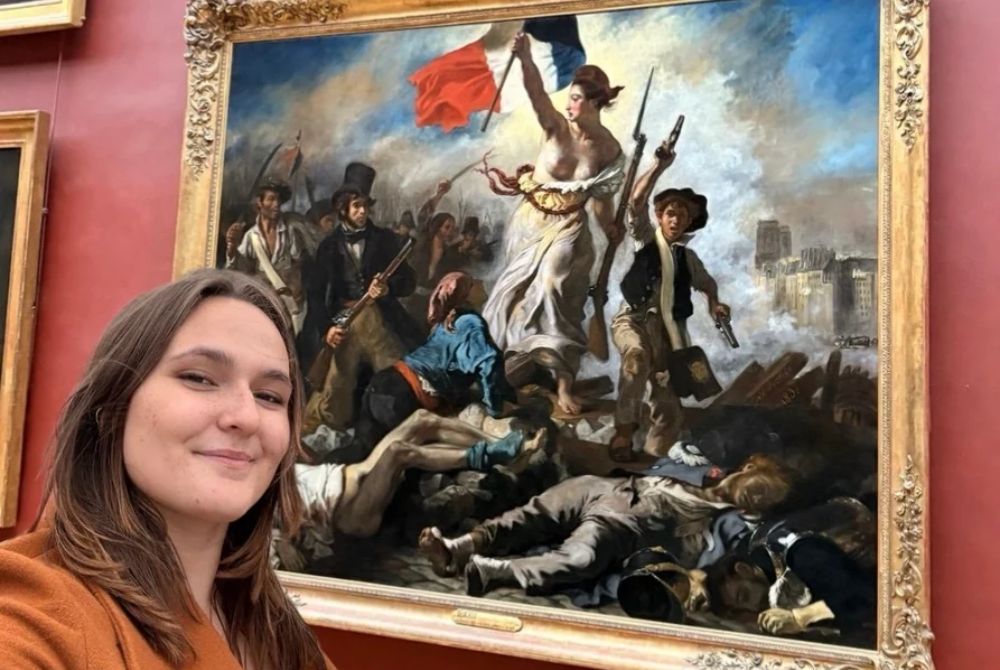
I just didn't expect my classroom to be quite so close to the action.
Since Oct. 1, Sciences Po Lille has been swept into a broader wave of student-led protests and campus demonstrations. What began as a movement among French high school students soon spread to universities, including Sciences Po Lille, where students organized blockades and demonstrations in solidarity with the wider movement. The protests have brought questions about education, student representation and the future of French public institutions into everyday campus life. As the movement has continued, some demonstrations have also been disrupted or co-opted by outside agitators, including individuals engaging in looting and other destructive behavior.
For an American student who came to France specifically to study its political system, it has been an unexpectedly immersive introduction.
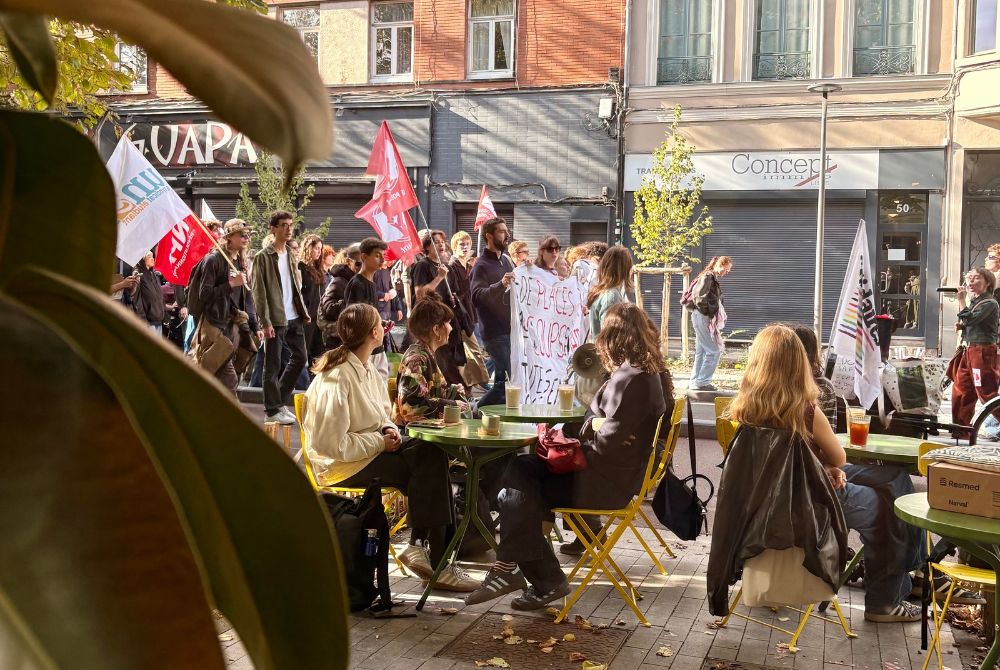
I first realized the protests might directly affect my semester on an otherwise ordinary walk home from class. One afternoon in late September, I found myself stopped by police officers blocking the street after an altercation had occurred just a block away.
Suddenly, the news was no longer something happening somewhere else. It was happening on my walk home.
Our French Politics professor had a habit of opening each class with a discussion of current events. Usually, this was a lively 10-minute conversation before we moved on to the day's lesson. When French high school students began organizing campus blockades, however, that conversation stretched across nearly the entire two-hour class. Our professor walked us through the history and culture of protest in France, explaining how demonstrations have long been a part of the country's political identity.
The following week, that very class was canceled because Sciences Po Lille students had organized their own blockade in solidarity. It's one thing to read about protest movements in a textbook. It's another to watch the university where you're supposed to be attending class become part of the story.
As the movement developed, international students saw our schedules change considerably. After the first two weeks of course cancellations, our classes were moved online, giving us a different kind of semester than we had anticipated. In-person classes resumed Nov. 2, although the situation remains uncertain. Negotiations between student groups and faculty are ongoing, and additional nationwide demonstrations are planned.
Of course, studying abroad is never entirely predictable. But I don't think any of us expected quite this much flexibility to become part of the curriculum.
One thing that has struck me is how students have found ways to build community around the movement. From the banners and artwork appearing around campus to the creative activities organized alongside demonstrations, it is clear that these gatherings are about more than simply occupying a space. Students have found ways to express themselves, connect with one another and make their voices heard. I've been careful to respect MSU's policies prohibiting participation in protests and related activities while abroad, but observing that student culture from the outside has still been fascinating. Salsa classes, soccer tournaments, guest lectures and fashion shows have happened at the barricade in front of Sciences Po Lille.
There have certainly been some less charming moments, too.
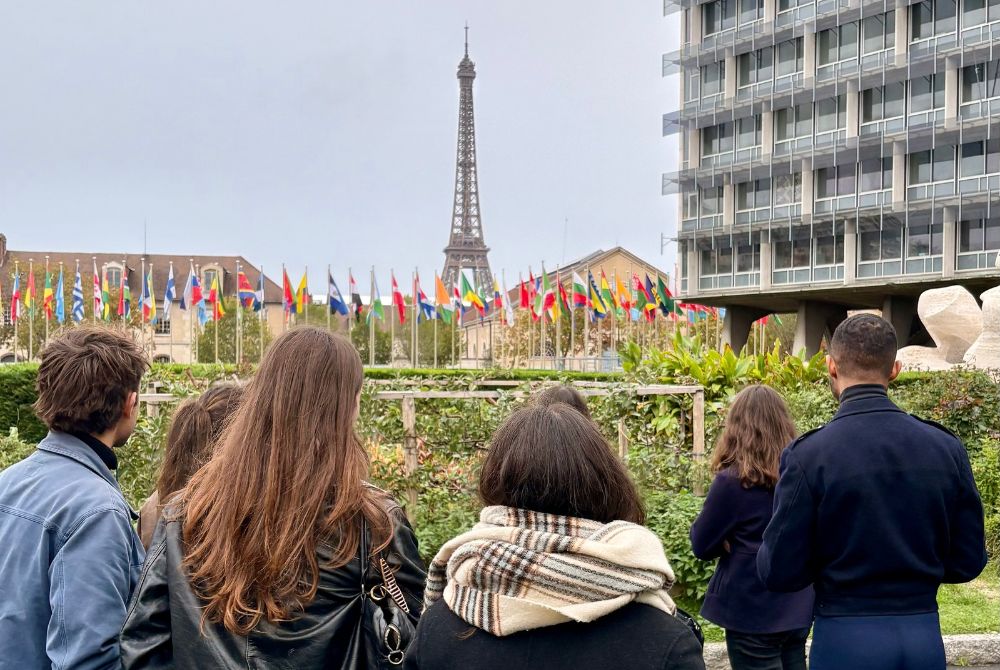
Being a bystander doesn't always mean being far removed from events. During a trip to Paris with Sciences Po’s debate team to visit UNESCO, we found ourselves near several major disruptions. Hours later, there was still a faint, unmistakable tickle of tear gas in the air. I’ve had several friends witness looting or get teargassed by the police simply because they were walking through the wrong square at the wrong time.
Back in Lille, even a quiet afternoon studying with friends at a local coffee shop could be interrupted by a march moving through the streets. Sometimes, the soundtrack to finishing a reading assignment was a passing crowd or a police siren accompanied by an enthusiastic chant.
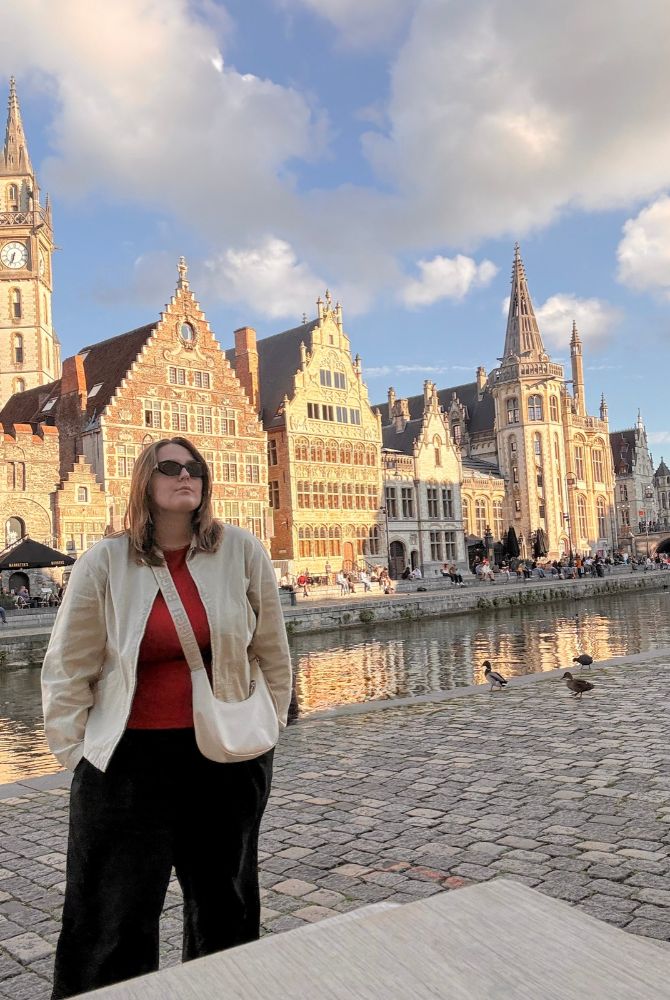
I've also expanded my French vocabulary in ways I certainly didn't anticipate. I arrived hoping to improve my understanding of French politics and diplomacy. I didn't necessarily expect to become familiar with the words barrage (blockade), manifestation (demonstration), blocus (barricading as a tool of protest) and grève (strike) quite so quickly. At this point, I may be better prepared to navigate a protest than order lunch.
Despite the disruptions, I have found ways to make the most of this semester. With classes temporarily online, I had more flexibility to explore Europe, taking advantage of Lille's excellent position as a transportation hub in Western Europe. I've traveled, met people and experienced places I might not otherwise have had the opportunity to visit.
At JMC, I've spent years studying international security, American foreign policy, international law and the political histories of countries around the world. Through my work with MSU's International Relations Organization, MSU Model United Nations and the Human Rights Lab, I've also spent considerable time thinking about how institutions respond to conflict, how people mobilize and how political movements develop. Those experiences, alongside my previous research and internships, have shaped my interest in eventually working in national security policy advising and U.S. foreign policy.
Being in Lille has given those academic interests a new dimension. I've found myself paying closer attention to the relationship between public institutions and the people they serve, the role of student organizations in shaping university life and the complicated balance between maintaining public order and protecting the right to demonstrate.
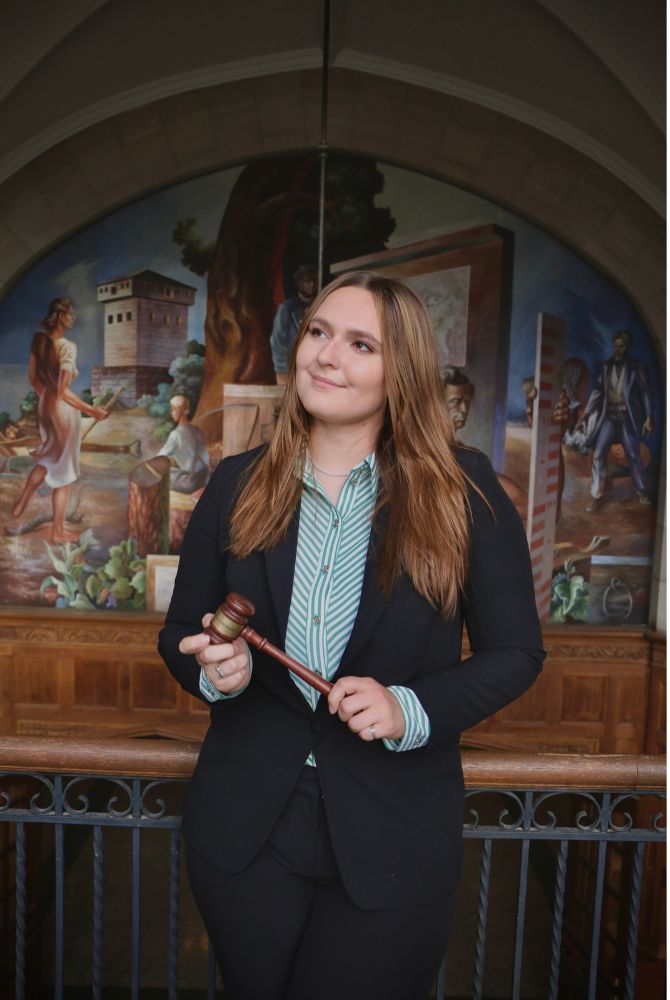
Most importantly, I've learned that understanding a country's politics requires more than understanding its government. It requires listening to the people who live there.
I've had conversations with French students that have taught me more about their perspectives than any lecture could. I've watched university life adapt in real time and seen how students find community even when their classrooms are unavailable. I've also learned that movements are rarely as simple or uniform as they might appear in a headline. Different students have different motivations, and the actions of a few can sometimes overshadow the broader community.
I came to Sciences Po Lille hoping to study French politics. Instead, I've had the opportunity to experience what it means to live within them.
I certainly wouldn't recommend a campus blockade as a semester-planning strategy. But I also wouldn't trade this experience. Studying abroad has reminded me that some of the most meaningful lessons happen when things don't go according to plan. Sometimes, the best way to understand a country is to step outside the classroom, listen carefully, ask questions and be willing to learn from whatever is happening around you.