The Global Development in South Asia study abroad program, led and organized by Prof. Linda Racioppi and Prof. Sejuti Das Gupta, took our group of 11 Madisonians to Sri Lanka and Mumbai, India, during June this summer. The program's focuses — development studies, gender, environment, natural resources and cultural studies — led our young academic minds through farms, mangroves, tea plantations, local women's groups and grounded non-profits. We explored challenges related to researcher positionality, economic and climate realities. We heard stories, lectures and perspectives which are rarely emotionally or personally perceptible from within a Case Hall classroom.
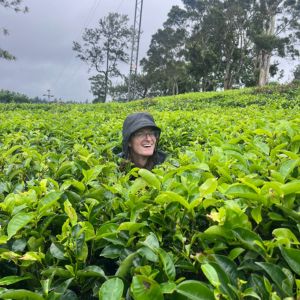
I made a true, sincere friend from the University of Peradeniya, the program's partner university in Sri Lanka, who hosted students to come along on our field visits and adventures. We have a lot in common, from an interest in extreme versions of hiking to sports and plants. It was as much in our conversations, as in field visits and interviews, where connection and epiphany were realized. It was when a joke landed, or a story of wildlife encounter, academic interest or life goal was shared, that I felt the truest dive into understanding occurred in this friendship. These understandings also emerged through dialogue within our cohort, along winding bus rides or on buzzing bungalow porches; appreciation became a mantra along our journey. Gratefulness for what we have the privilege to own, or experience, for people — hosts, cooks, bus drivers, student peers and educators at our partner universities, like Dr. Rankoth and Dr. Wikum for guiding us with patience across Sri Lanka, Dr. Chandrica of SPJIMR in Mumbai for honesty and trust — for beauty and diversity and, as it was often mentioned, food!
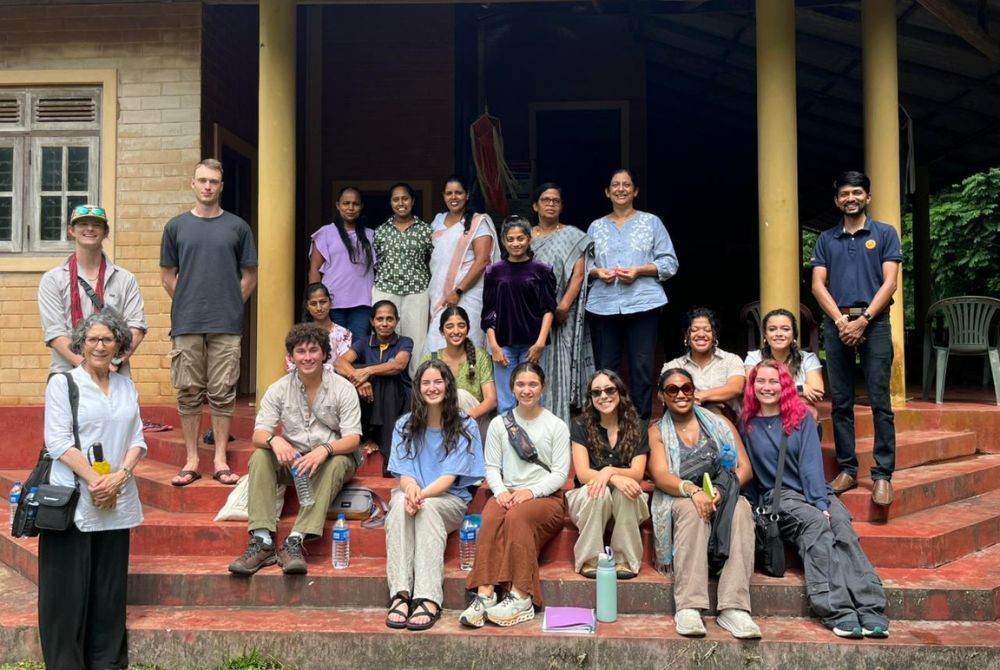
In Sri Lanka's mid-highlands sits the Community Development Centre for the Research and Cultivation of Traditional Yam Varieties, led by a woman named Damayanthi Godamulla who tirelessly pursues a project that is both pragmatic and symbolic. Yams function as nutritional sovereignty, which simultaneously severs dependency on what can be experienced as coercive economic and food systems, while rescuing traditional foods, recipes and farming practices from being forgotten. What struck me was the thin line between a necessary community project and the formalized NGO grant-getting project. So many aid organizations are involved only because of Godamulla's work to bring formality to existing capacity.
When we arrived at Vinaval, a Warli Adivasi village in Palghar district, India, a group of about 50 tribespeople were waiting for us, and when we walked into their meeting area they all applauded. That reception was not earned by our specific group of students, but rather by the years of trust between AROEHAN (the NGO that brought us there) and the community. By the trust between Dr. Chandrika Parmar, a professor with the program's partner institution, and AROEHAN, between the organization and the villages, built over years of participatory water, health and education work. The value of study abroad for students lies in gaining experience through the faith and relationships of others.
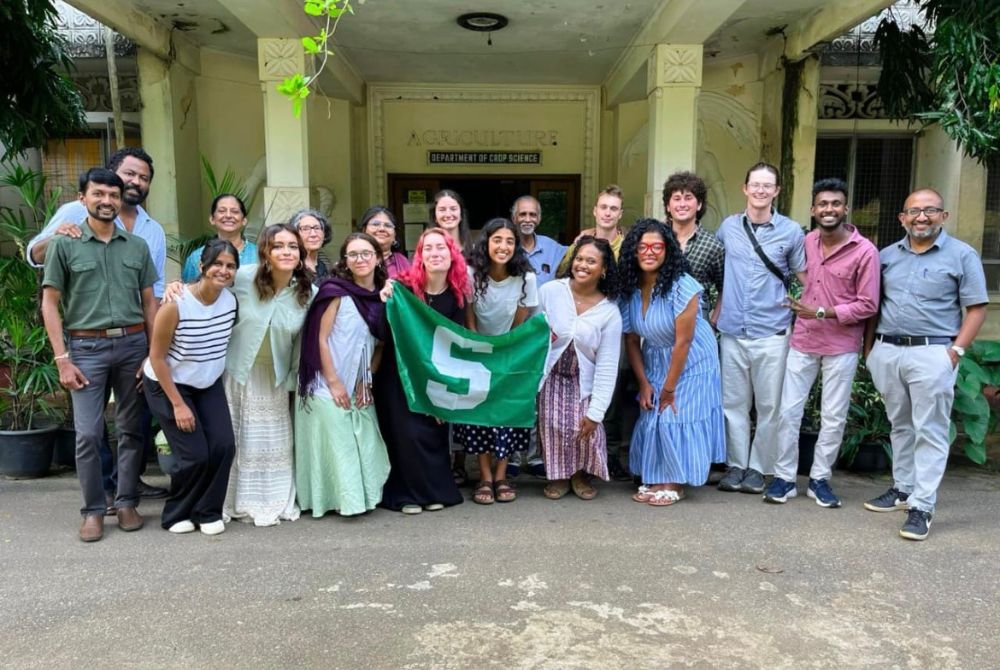
Paradoxes of development, Prof. Das Gupta often says with a knowing smile. It was striking to see solar-powered water pumps delivering drinking water to communities who are simultaneously experiencing deforestation and biodiversity loss; gaining access to medical care while maintaining traditional healers. The paradox of modernity’s march means both humanitarian opportunity and environmental degradation. But individually the paradoxes persist; gratefulness to experience doubt, learning that only produces more questions, noticings that spiral into knowing that I understand less and have more opportunities to involve myself at scales and modes previously out of reach. And finally, gratitude for the challenging paths forward into a career of environment and development work.